
Investing in properties in Tampa comes with a crucial responsibility: ensuring the integrity of your assets through thorough and regular roof inspections. A roof is a building's first line of defense against the elements, and its condition directly impacts the property's value and your investment returns. This guide provides landlords with a comprehensive approach to Tampa roof inspection, empowering them to make informed decisions about maintenance, repairs, and long-term strategies for their rental properties. By understanding common roof issues, adopting best practices, and adhering to regulatory standards, you can protect your investment and maintain a satisfied tenant base.
- Understanding Tampa Roof Inspection Requirements
- Preparing Your Investment Property for Inspection
- The Scope of a Comprehensive Tampa Roof Inspection
- Identifying Common Roof Issues in Tampa Properties
- Interpreting Inspection Reports: What to Look For
- Post-Inspection: Repairing and Maintaining Your Roof
- Maximizing Rental Income: The Impact of Roof Condition
Understanding Tampa Roof Inspection Requirements
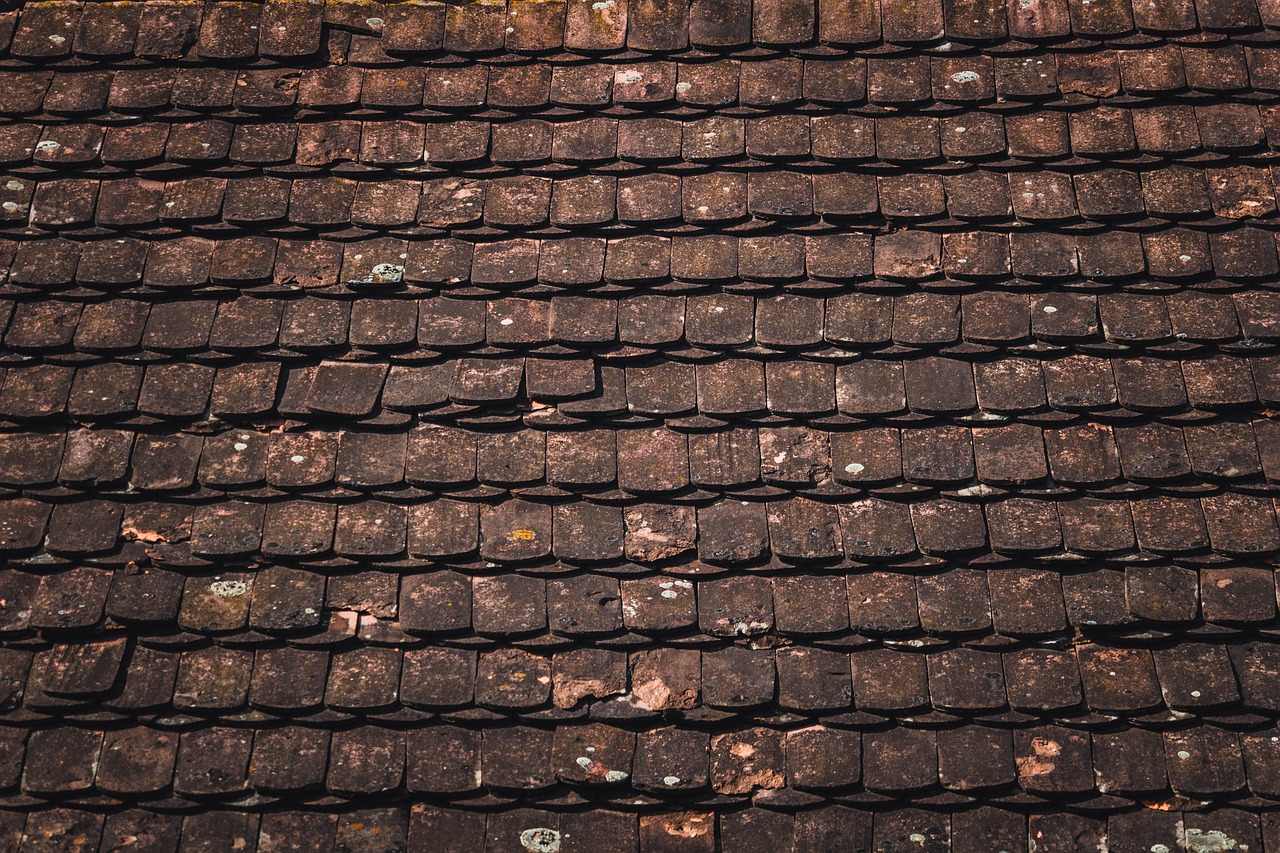
When considering investment properties in Tampa, a thorough understanding of local roof inspection requirements is crucial. Tampa roof inspection regulations aim to ensure both property safety and investor protection. These regulations can vary based on property age, type, and local building codes, so it's essential to familiarize yourself with the specifics. Older buildings might require more frequent inspections to ensure structural integrity and adherence to safety standards.
The city of Tampa mandates that landlords conduct regular roof assessments, aiming to identify and rectify issues before they escalate. A same-day Tampa roof assessment can be a cost-effective strategy, especially for properties with minor repairs needed. This proactive approach can save on long-term maintenance costs and prevent tenant complaints. However, for more complex issues, a detailed inspection might take a few days, allowing contractors ample time to assess and provide accurate estimates.
Safe Tampa roof inspection practices are paramount for both the inspector and the property. This includes using proper safety equipment, such as hard hats and ropes, especially when working on steep roofs. Landlords should also consider hiring certified and licensed professionals who adhere to industry standards. These practices not only ensure the safety of the inspection process but also guarantee that any repairs or replacements are carried out correctly, extending the lifespan of the roof and the investment.
Preparing Your Investment Property for Inspection
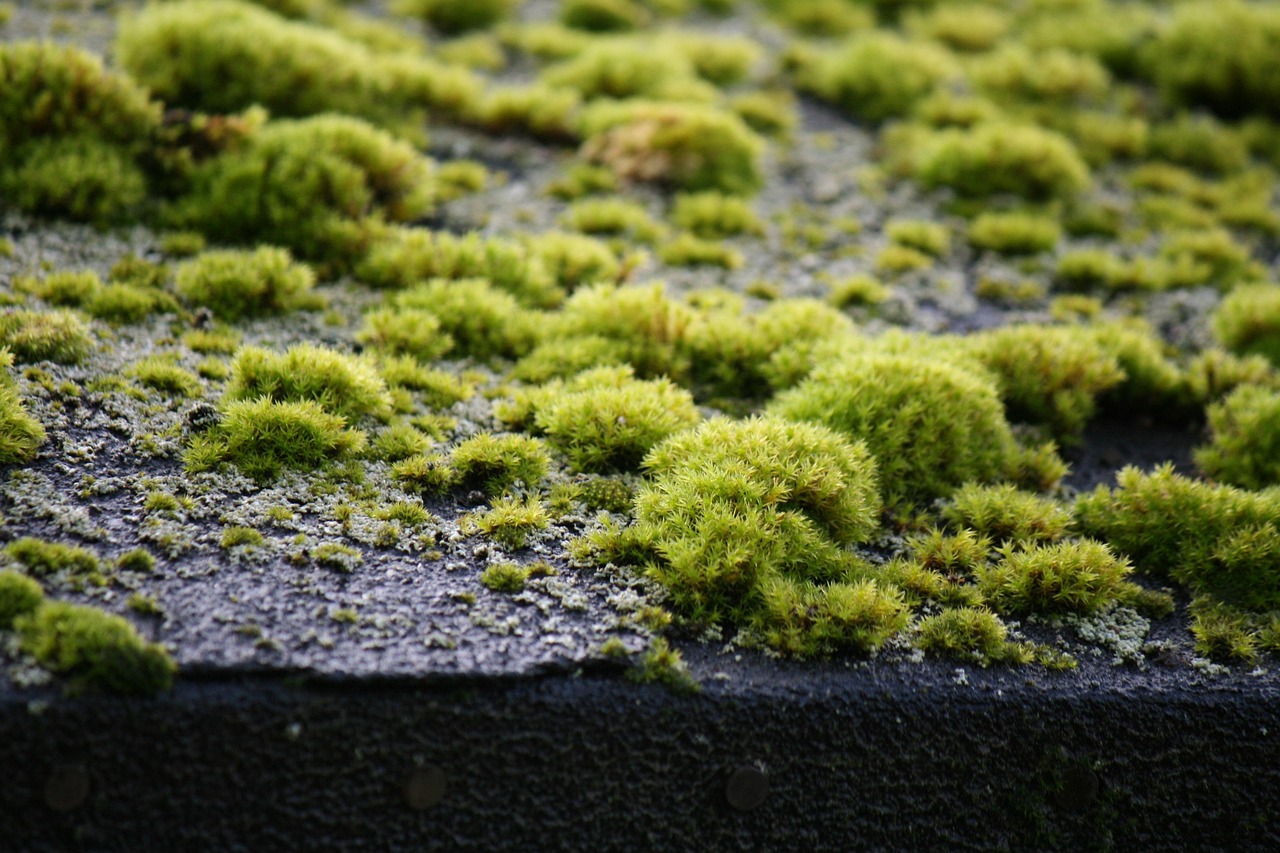
Preparing your investment property for a Tampa roof inspection is a crucial step in maintaining the value and safety of your asset. It involves a combination of proactive measures and meticulous preparation to ensure a smooth and efficient inspection process. First, review the property thoroughly for any signs of damage, leaks, or common roof issues such as missing shingles, damaged flashing, or mold growth. Addressing these issues before the inspector arrives demonstrates your property's well-maintained condition and may prevent costly delays.
Engage with local Tampa roofing experts to gain insights into the most common problems in the region and the best practices for maintenance. They can also provide recommendations on affordable Tampa roof inspection services, guiding you in choosing a reputable provider that aligns with your budget and expectations. Create a detailed inspection checklist tailored to your property, covering all critical components like the structure, drainage systems, vents, and underlayment. This checklist ensures that no detail is overlooked, giving you peace of mind as you prepare for the professional Tampa roof inspection.
On the day of the inspection, ensure the area around the roof is clear and safe for easy access. Remove any obstacles that might hinder the inspector's work, and ensure the property is secure and locked if you won't be present. These preparations not only facilitate a thorough evaluation but also demonstrate your commitment to maintaining the property to the highest standards. Remember, a well-prepared property not only facilitates a successful inspection but also showcases your landlord's professionalism and care for the investment.
The Scope of a Comprehensive Tampa Roof Inspection
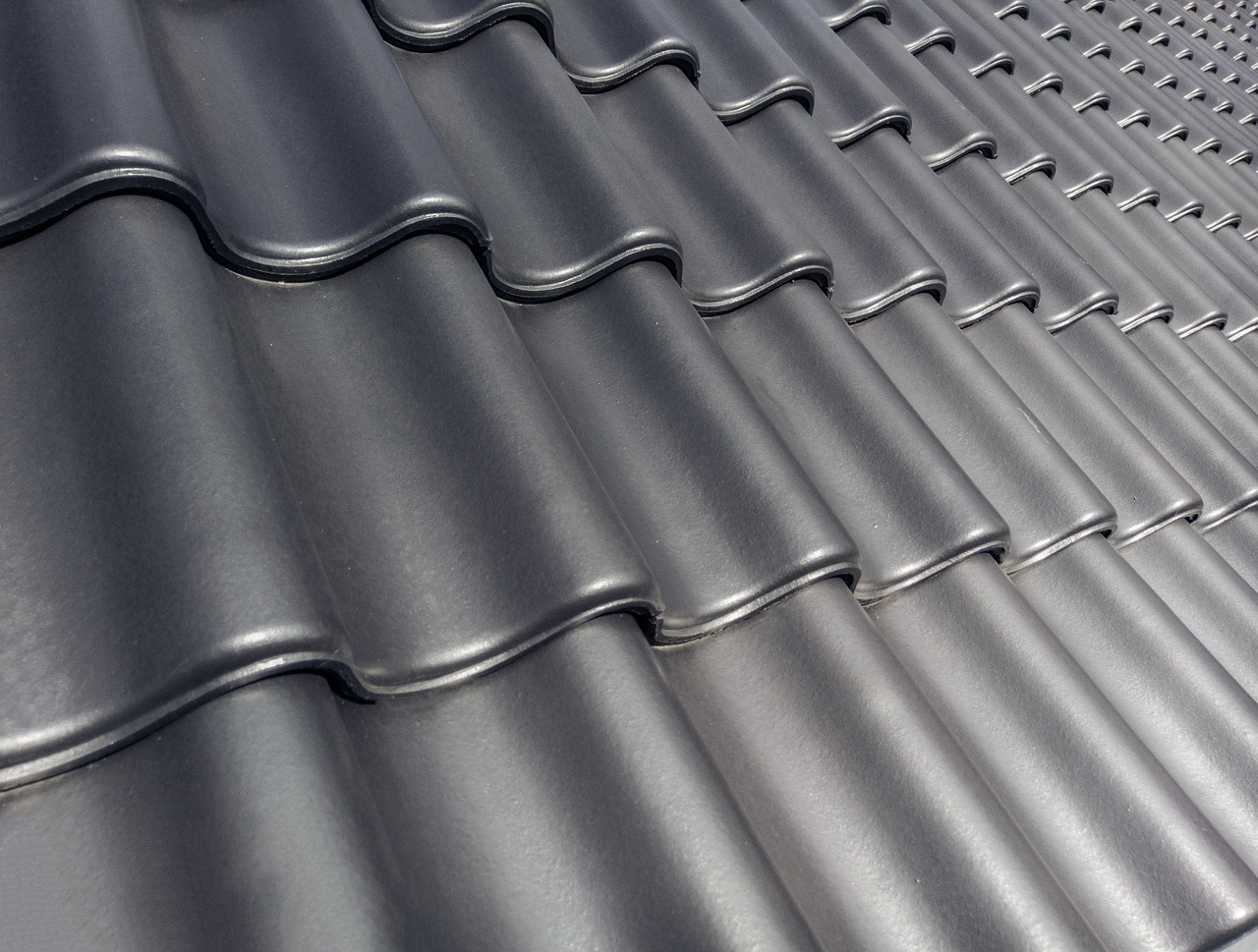
A comprehensive Tampa roof inspection for investment properties involves a detailed, systematic evaluation of the roofing system's condition. This assessment goes beyond a quick visual check, examining the structural integrity, materials, and overall longevity of the roof. An experienced Tampa roof assessment professional will examine the roof's age, the quality of its installation, and signs of wear and tear. This includes looking for common roof issues such as missing or damaged shingles, leaks, mold, or evidence of wood rot, all of which can significantly impact the property's value and a tenant's comfort.
The scope of a professional Tampa roof inspection includes a thorough audit of the roof's components: underlayment, flashing, gutters, and drains. The inspector will assess the condition of these elements, checking for proper drainage, ventilation, and sealing to prevent water intrusion. Regular inspections are crucial, especially after extreme weather events. Post-storm inspections can identify damage that might be missed during a standard check, ensuring the property's structural integrity and protecting the landlord's investment.
During the inspection process, professionals will also document findings, providing a detailed report that includes pictures and descriptions of any issues discovered. This report becomes a valuable tool for budgeting and planning repairs or replacements. For rental properties, a well-conducted Tampa roof inspection serves as a proactive measure, enabling landlords to maintain properties, satisfy tenants, and mitigate unexpected costs. It's a key component of property management, ensuring that the roof-one of the most significant and expensive components of a building-is in optimal condition.
Identifying Common Roof Issues in Tampa Properties

Tampa's unique climate and weather patterns present specific challenges for roofs, making a thorough Tampa roof inspection crucial for investment properties. Landlords must be vigilant in identifying common roof issues that can often go unnoticed but lead to costly repairs or even structural damage. Regular inspections, ideally every 3 to 6 months, serve as an effective preventative measure.
Some of the most prevalent roof problems in Tampa properties include leaks, especially around vents and chimneys, and damage from strong winds, including missing or damaged shingles. The region's frequent storms, including hurricanes, can also lead to roof collapses and other severe damage. Post-storm inspections are critical, as they can reveal hidden issues that may not be immediately apparent. A Tampa roof inspection after a hurricane might uncover weak spots caused by high winds, allowing landlords to address them before they escalate.
Beyond the typical issues, Tampa's humidity and salt air can accelerate corrosion, particularly on metal components. This can result in weakened structures and further complications. Landlords should be aware of these specific challenges and include them in their inspection checklists. Regular, detailed inspections coupled with prompt maintenance can extend the lifespan of roofs and protect investments. Remember, a proactive approach to Tampa roof inspection is key to maintaining the integrity of your rental properties.
Interpreting Inspection Reports: What to Look For

Interpreting inspection reports is a crucial step in maintaining your Tampa investment properties. A thorough report from a licensed Tampa roof inspection company offers valuable insights into the condition of your roof, enabling you to make informed decisions about repairs, replacements, and budget allocation. When reviewing an inspection, focus on identifying both immediate red flags and long-term trends.
Look for detailed descriptions of any identified issues, including the extent of damage, potential causes, and the likelihood of future problems. A report might note a "small leak in the valley, possibly due to improper flashing installation." This information is critical because it allows you to prioritize repairs. A top-rated Tampa roof inspection company will also provide suggestions for preventative measures, such as "regular cleaning to prevent debris buildup, which can exacerbate leaks."
Beyond individual findings, consider the overall narrative of the report. Does it highlight recurring issues, like specific types of damage or material failures? These patterns can signal broader problems with construction quality or regional weather impacts. Post-storm inspections often reveal widespread damage, indicating the need for more resilient roofing solutions. By analyzing both individual and collective insights, you can ensure your investment properties are maintained safely and efficiently, aligning with the best Tampa roof inspection practices.
Post-Inspection: Repairing and Maintaining Your Roof

After a thorough Tampa roof inspection, the next step for landlords is to understand the best practices for repairing and maintaining their investment properties' roofing systems. This is especially crucial in a region like Tampa, known for its frequent storms and hot, humid climate, which can accelerate roof deterioration.
For flat roofs, common issues include leaks due to poor drainage and aging membranes. To address these, a detailed Tampa flat roof inspection tips checklist should be followed. This includes ensuring adequate slope for drainage, inspecting for cracks and punctures, and checking the condition of the flashings around vents and pipes. Regular, annual inspections are recommended, and after a storm, a post-hurricane Tampa roof inspection is vital to identify any damage that may have been overlooked.
For new construction or extensively renovated properties, a Tampa roof inspection after completion ensures the work meets safety standards and is fit for the region's specific conditions. This is where the expertise of a licensed and insured professional shines. They can verify that the chosen materials, from shingles to flat roof membranes, are suitable for the local environment, offering long-term protection against intense sunlight, wind, and rain. Regular maintenance, including cleaning gutters and replacing worn-out components, will extend the roof's lifespan, enhancing the property's value and ensuring the landlord's peace of mind.
Maximizing Rental Income: The Impact of Roof Condition
The condition of a rental property's roof can significantly impact a landlord's bottom line. In Tampa, where weather patterns can vary from mild to severe, maintaining a robust roof is essential to protect investments and maximize rental income. A routine Tampa roof inspection is a landlord's best defense against unexpected repairs and potential losses. By identifying issues early, landlords can prevent minor problems from escalating, saving them both time and money. A comprehensive inspection may reveal missing shingles, leaks, or signs of wear and tear, all of which can be addressed before they disrupt tenants or erode property value.
Regular inspections also provide an opportunity to discuss maintenance practices with tenants, fostering a culture of responsible property care. Landlords can educate tenants about the importance of clearing debris from gutters to prevent clogs and water damage. A well-maintained roof can enhance the curb appeal of a property, attracting quality tenants and potentially increasing rental rates. When considering repairs, landlords should explore affordable Tampa roof repair options, especially for common issues like damaged shingles or minor leaks. Engaging with reputable local contractors who specialize in roof inspections and repairs can ensure that any work is done efficiently and within budget.
Beyond the financial implications, the condition of a roof can directly impact a property's safety and legal standing. In Tampa, as in many areas, building permits and safety standards govern roofing work. Landlords must ensure that all repairs comply with local regulations to avoid fines or legal complications. A licensed and insured contractor who stays current on industry trends and best practices is an invaluable asset. With the increasing popularity of eco-friendly materials, landlords can make environmentally conscious choices that could also reduce long-term maintenance costs. Regular, best Tampa roof inspections near me, combined with proactive preventive maintenance, are key strategies for landlords to protect their investments and ensure the longevity of their rental properties.
Frequently Asked Questions About Tampa Roof Inspection for Investment Properties: A Landlord's Guide
What is the purpose of a Tampa roof inspection for an investment property? A Tampa roof inspection for an investment property is crucial to ensure the roof's structural integrity, identify potential issues, and determine if repairs or replacements are needed. This process helps landlords make informed decisions about maintenance, budgeting, and the overall value of their rental properties.
How often should a roof inspection be conducted? It is recommended to conduct a thorough roof inspection annually, especially in regions with severe weather conditions. Regular inspections can help identify minor issues early, preventing them from turning into costly repairs. For investment properties, staying on top of roof condition is essential for long-term profitability.
What should I look for during a Tampa roof inspection? During a Tampa roof inspection, look for signs of damage such as missing or damaged shingles, leaks, mold growth, or structural weakness. Check for proper drainage and ventilation, as well as the condition of the roof's underlayment and flashing. A qualified inspector will also assess the overall age and condition of the roofing material.
Who should perform a Tampa roof inspection? Only qualified and certified professionals should perform a Tampa roof inspection. They have the expertise and tools to assess the roof's condition accurately. Landlords should hire licensed and insured contractors or roofing specialists who can provide detailed reports and recommendations for any necessary repairs.
How much does a Tampa roof inspection cost? The cost of a Tampa roof inspection varies depending on the property's size and complexity. On average, it can range from $150 to $300 for a detailed inspection. This investment is a fraction of the cost of unexpected roof repairs and can save landlords significant time and money in the long run.
What happens after a Tampa roof inspection? After a Tampa roof inspection, the inspector will provide a detailed report outlining the condition of the roof and any recommended repairs or replacements. Landlords can use this information to prioritize maintenance, set realistic rental rates, and plan for future capital expenditures. Regular inspections can also help when dealing with insurance claims or tenant issues related to the roof.
For Tampa roof inspection for investment properties, understanding the process, best practices, and long-term maintenance needs is crucial. By preparing your property, knowing the scope of a comprehensive inspection, and identifying common issues, you can ensure the health and longevity of your roof. Interpreting inspection reports allows you to make informed decisions, and addressing repairs promptly can maximize rental income. The insights provided in this guide equip landlords with the knowledge to navigate Tampa's specific requirements, ultimately enhancing the value and profitability of their investment properties.
Next steps include scheduling regular inspections, reviewing inspection reports with attention to detail, and budgeting for preventive maintenance and necessary repairs. Staying proactive in maintaining your Tampa roof is key to avoiding costly emergency repairs and ensuring your properties remain attractive to tenants.
Tampa Roof Inspection: A Landlord's Guide
Landlords in Tampa must understand local roof inspection requirements to maintain safe, valuable investment properties. Regular inspections are crucial for identifying issues, preventing escalation, and saving on maintenance costs. This includes:
- Familiarizing with building codes and property-specific needs based on age and type.
- Prompt action for minor repairs, and detailed inspections for complex issues.
- Safe practices for inspectors, using proper equipment and hiring certified professionals.
- Preparation before inspection: address visible issues, create checklists, ensure access.
- Interpretation of inspection reports to guide repairs, replacements, and budget allocation.
- Post-storm inspections to uncover hidden damage.
- Maintenance tips for different roof types, focusing on flat roofs and new construction.
- Financial benefits of proactive inspections, preventing unexpected repairs and enhancing property value.
- Compliance with local regulations and safety standards for all repairs.